What are the 6 steps to optimize your compressed air system?

Engineered Air Nozzles by EXAIR


Compressed air leaks, and inefficient blow offs can waste thousands of dollars of electricity each year. This affects your companies production costs and bottom line.


What are the 6 steps to optimize your compressed air system?

  • Determine the main compressed air users in your facility
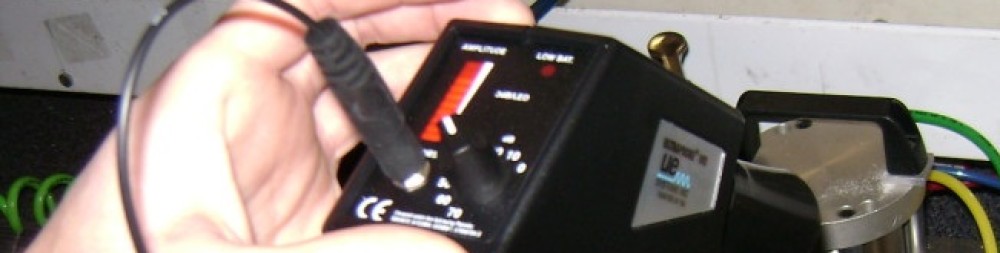
  • Find and fix the air leaks with Ultrasonic Leak Detection
  • Upgrade your blow off and cooling operations with engineered products for less air use and lower decibel levels.

     High efficiency nozzles                                                                                                                    High efficiency air knives                                                                                                                  High efficiency  blow offs

  • Turn off compressed air when not in use, or put it on a timer to only run when required
  • Use intermediate storage next to the point of use
  • Control the air pressure near the point of use.

exair_footerThe Maintenance Geek LLC is proud to be a stocking distributor for Exair the home of intelligent compressed air products


E Mail me for a catalog and to get 10% off of current pricing.     robert@maintenancegeek.com


Click in the upper right hand corner to get this blog sent to you as soon as it is published.→


Robert Kravontka    “The Maintenance Geek ”

snapshot_001


Step “One” in Developing a World Class Maintenance Organization

Snapshot_24


Step One:

It’s the same for big companies or smaller ones, you need to figure out where you are and what your up against. If you have only one maintenance professional that does the facility and all the equipment but only when it breaks down the issues are the same.

You must start with some data. 

Think of it as a doctor’s visit. Your doctor will not prescribe a medication or solution before he examines you and collects some data. At a minimum, blood pressure, weight, temperature, and what “you” think is wrong?

Should it be any different trying to diagnose your maintenance process, before you prescribe some remedies?

Collect Data.        Simple Stuff.

What are your critical pieces of equipment? Look for the top 3-5 and learn about them.

Rate them in order of criticality. How much trouble will you be in when they go down, and how expensive will they be to get back up. It is a lot cheaper to keep them running than to fix them after they go down.

What skills are at your disposal?   You may be surprised at some of the hidden talent.

What do you need to do to keep the equipment running vs. trouble shooting it and fixing it? Get out of the breakdown mode.

OEE is more important as you start to flow your products.  If one component of the cell stops, the entire cell stops. OEE multiplies as more equipment is added to a cell.

 Evaluate your maintenance department. Are they doing the right things, can they be doing better PM’s and 7less “time” based preventive maintenance? How about some predictive maintenance to catch the issues before they bite you.       


gauge with marker


Consider training your operators to be the eyes and ears for maintenance, put in some visuals to make it easier for them.


Its not easy when you have a small maintenance group, but neither are the bigger ones, that’s why “they” make the medium bucks.  The principles are the same.       Breakdowns are 5 – 10 times more expensive than preventing a breakdown.


Want to know more, go to the upper right and sign up for the next exciting episode of the Maintenance Geek Blog.


cropped-snapshot_001.jpgRobert Kravontka

The Maintenance Geek

robert@maintenancegeek.com

Does your business have a good plan to Grow? How the Business Sustainability Challenge can help!

 What is the “Business Sustainability Challenge” and why should I care?BSC

New England Utilities offer the Business sustainability Challenge. With a small team your company can become more competitive by taking a strategic look at Energy, Workforce, Operations, and Waste Streams. Results from this planning include reducing risks and leveraging opportunities to shield your company from, changes in the economy, while improving operations and profitability. The utility will fund this effort 100% and offer incentives to grow along the way. You need to supply a small team, 3-5 people to develop a growth strategy with help from some of the great teachers in the industry.

Send me a note, and I will send you a form, to see if your company qualifies.

We have seen some great results.  Let me know if you want to find out more.


Robert                                                                                                                                                          The Maintenance Geek

snapshot_001Click in the upper right to sign up for the blog series.

Introducing 5 Steps to a World Class Maintenance Organization

Snapshot_24Planning a June 2016 release of my new E Book called “5 Steps to a World Class Maintenance Organization” This is designed for the smaller manufacturer with a maintenance group of one or a few who do it all, including building and equipment maintenance.

Are your best Maintenance People getting ready to retire?

Do your younger newer maintenance professionals need to work smarter not harder?

How would an increase in productivity benefit your company?


Would reducing your maintenance Costs Help?

Are you getting tired of putting out fires all the time?

Does your equipment go down when you need it most?

Take a look at the 5 steps to help you get out of that breakdown mode.

We are going to have some fun with a method to help yourself and your company.

Step 1: Look at the building blocks of Maintenance

Step 2: Control your spare parts

Step 3: Stop Wasted PM’s

Step 4: Focused Improvements

Step 5: Formal Training

Then we will put it all together.


Click in the upper right to follow my blog…

Thanks,

Robert Kravontka                                                                                                                                         The Maintenance Geek

snapshot_001

The Energize CT Center. How to save energy.

wrench3Greetings,

Attended a terrific meeting in North Haven at the Energize CT Center finding out how to better save energy in 2016. Kevin Vidmar from Loureiro Engineer Associates spoke. Terrific presentation on  energy systems, including; Lighting, Motors, Compressed Air, Dust Collection, HVAC, and Office Equipment.

We started by understanding conservation vs efficiency. Basically shut it off whenever possible and then use the most efficient models when you must use a load.

Lighting, understand where you need light, and how much, then shut it off when you do not need it.LED’s have come down in price and are well subsidized by the utilities.

Motors typically cost around $0.10 per HP/ Hour to operate and save you that much when you can shut them off. Motors consume 50-70% of all electricity in the country. When you must run your motors reduce the load by insuring good alignment, proper belt tension , good lubrication practices and proper pipe sizing. Try to eliminate Air motors in your operation, they are cheaper to purchase but are huge wasters of energy.

Compressed Air often called the 4th Utility, can consume up to 25% of a typical manufacturers electric bill. Extra air storage can help, you should have approximately 4 gallon per HP.  It generally costs $5 per gallon to install more but may be well worth it. Make sure your compressor air inlets are drawing cool well filtered air. If you use air to blow parts out of a process use low vortec nozzles, and cut your house pressure. A 2 PSI drop in pressure can save 1% of your electric bill.

Have a pro look at your system and enjoy some huge saving.

Next month we will talk about the 5 steps to get out of the breakdown mode, and save some energy to boot.

Click on the upper right to sign up for the series of training’s to get out of the breakdown mode.  Talk with you next week.

Robert                                                                                                                                                         The Maintenance GeekSnapshot_24